

 1261 Stittsville Main Street, Unit #9
Miniscrew Assisted Rapid Palatal Expansion (MARPE)
If you or your child has been told that jaw expansion may be necessary as part of orthodontic or airway treatment, you might have come across a treatment called MARPE. While it may sound complex, MARPE is a safe, effective, and non-surgical way to create space in the upper jaw—often when traditional methods are no longer an option.
What is MARPE?
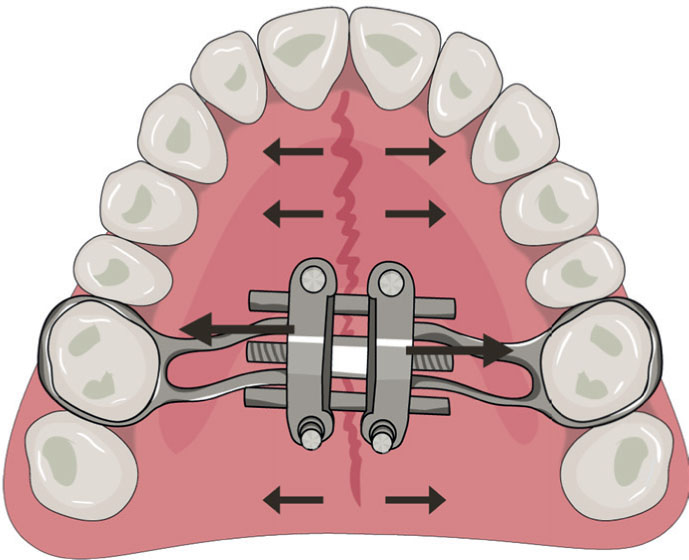
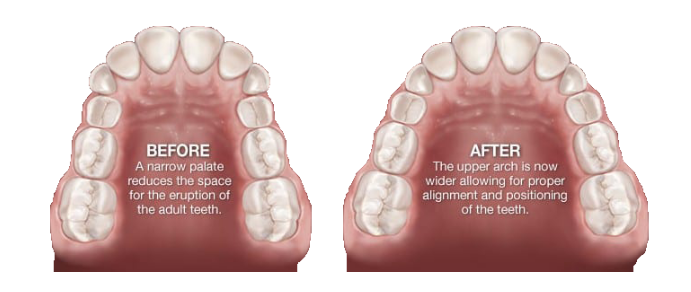
Miniscrew Assisted Rapid Palatal Expansion (MARPE) is an advanced orthodontic technique designed to widen the upper jaw (maxilla) using small titanium screws, known as miniscrews, as anchors. The primary goal of MARPE is to correct dental crowding, crossbites, and other alignment issues resulting from a narrow palate.
How does MARPE work?
1. Evaluation and Imaging: Your dentist will take 3D scans and digital models to assess jaw structure and airway space.
2. Custom Appliance Design: A MARPE device is custom created to fit precisely to your palate.
3. Miniscrew Placement: Under local anesthesia, an oral surgeon places miniscrews in the bone of the upper jaw. These screws provide a stable foundation for the expansion appliance.
4. Activation of the Appliance: A custom-designed expansion appliance is fitted to the upper jaw, which is activated by turning a screw mechanism that gradually widens the maxilla over time.
5. Controlled Expansion: The slow and steady expansion allows for gentle movement of the bones in the upper jaw, creating more space for teeth and improving overall dental alignment.
Who Is a Candidate for MARPE?
MARPE is designed for older teens and adults, typically ages 15 and up, who are no longer growing and who may have the following:
- A narrow upper jaw or high-arched palate
- Dental crowding or bite problems like crossbites
- Breathing issues, including chronic mouth breathing or nasal obstruction
- Sleep apnea or symptoms of poor-quality sleep
- Prior orthodontic relapse due to untreated jaw structure
- A desire to avoid jaw surgery or extractions
What Does MARPE Do?
MARPE isn’t just about creating space for teeth—it affects multiple aspects of oral and overall health. Here’s what it can do:
1. Widens the Upper Jaw. By separating the fused mid-palatal suture, MARPE increases the width of the upper dental arch. This creates more room for crowded or overlapping teeth, proper bite alignment, and a better balance between the upper and lower jaws.
2. Improves Nasal Breathing. The roof of the mouth is also the floor of the nasal cavity. As the palate expands, so does the nasal passage. This helps improve airflow and reduce reliance on mouth breathing, especially during sleep. Patients often report less congestion, easier breathing through the nose, and a reduction in snoring or sleep-disordered breathing
3. Supports Better Sleep and Airway Health. For patients with mild to moderate obstructive sleep apnea (OSA), MARPE can open the upper airway, reduce resistance, and help restore healthier nighttime breathing. It’s often considered as an alternative to CPAP or surgical options for certain patients.
4. Enhances Long-Term Stability. By correcting the skeletal structure—not just the teeth—MARPE supports better long-term orthodontic outcomes and reduces the risk of relapse.
What is the Step-by-Step MARPE Treatment Process?
1. Initial Consultation (1 Visit): Comprehensive evaluation of dental health, including imaging (X-rays or 3D scans) to assess the anatomy of the upper jaw. Discussion of treatment goals and options.
2. Miniscrew Placement (1 Visit): The oral surgeon places the miniscrews in the upper jaw under local anesthesia. This procedure typically takes about 30 to 60 minutes.
3. Fitting the Expansion Appliance (1 Visit): After the miniscrews are in place, a custom expansion appliance is fitted. This visit usually occurs within a week after miniscrew placement.
4. Activation Phase (4-12 Weeks): Patient begins activating the appliance, usually once a week, to initiate the expansion process. Regular follow-up visits (approximately every 2-4 weeks) are scheduled to monitor progress and make any necessary adjustments.
5. Completion of Expansion (3-6 Months): The active expansion phase typically lasts between 3 to 6 months, depending on the patient’s specific needs and response to treatment. Once the desired expansion is achieved, the oral surgeon will remove the appliance.
6. Retention Phase (Ongoing): After the removal of the appliance, a retention phase begins, where the patient wears a custom retainer to maintain the new position of their teeth and jaw. The duration of wearing the retainer can vary, often recommended for several months to a year.
Next Steps: Schedule Your Consultation
If you’re experiencing issues related to a narrow upper jaw, dental crowding, or a crossbite, MARPE may be the right solution for you. At Villanova Dental Studio, we are committed to providing personalized care tailored to your specific needs.
Contact Us Today!
To learn more about MARPE and schedule your consultation, please contact us at 613-836-9084. Our dedicated team is here to support you on your journey to achieving a healthier and more confident smile!
————————————————————————–
Frequently Asked Questions (FAQ)
1. What is MARPE?
MARPE stands for Miniscrew Assisted Rapid Palatal Expansion. It is an orthodontic technique that uses small titanium screws (miniscrews) to provide stable anchorage for an appliance that widens the upper jaw (maxilla). This method is particularly effective for treating narrow palates, dental crowding, and crossbites.
2. How does MARPE work?
MARPE works by placing miniscrews into the bone of the upper jaw, which anchors an expansion appliance. The appliance gradually widens the maxilla by applying gentle pressure. Patients activate the appliance by turning a screw mechanism, which leads to controlled expansion over a series of appointments.
3. Is the MARPE procedure painful?
Most patients experience minimal discomfort during the MARPE procedure. Local anesthesia is administered when placing the miniscrews, which helps reduce pain. After the procedure, some patients may feel pressure or mild soreness, which can typically be managed with over-the-counter pain relief.
4. What is the typical duration of MARPE treatment?
The duration of MARPE treatment varies depending on individual cases. Generally, significant results can be seen within a few weeks, with the entire treatment lasting from 3 to 6 months. This includes the active expansion phase and a subsequent retention phase to stabilize the results.
5. Who is a good candidate for MARPE?
MARPE is suitable for a wide range of patients, including adolescents and adults. It is particularly beneficial for individuals with a narrow upper jaw, dental crowding, or crossbite issues. A thorough evaluation by a dentist will determine if MARPE is the right choice for you.
6. What are the benefits of MARPE compared to traditional methods?
MARPE offers several advantages over traditional palatal expanders, including:
- Comfort: The use of miniscrews allows for a less bulky and more comfortable appliance.
- Speed: Patients often experience quicker results, with significant expansion typically achieved in a shorter timeframe.
- Effectiveness: MARPE can provide more controlled and stable expansion, particularly in adult patients whose jaw growth has completed.
7. How do I care for my MARPE appliance?
Maintaining good oral hygiene is essential while using a MARPE appliance. Patients should:
- Brush their teeth thoroughly, including the appliance, after every meal.
- Use an antimicrobial mouthwash to help reduce bacteria in the mouth.
- Avoid sticky or hard foods that could damage the appliance.
- Attend regular follow-up appointments for adjustments and monitoring.
8. Will I need to wear a retainer after MARPE treatment?
Yes, a retention phase is crucial after MARPE treatment. Patients will receive a custom retainer to help maintain the new position of their teeth and jaw. Retainers may need to be worn full-time initially, transitioning to nighttime wear as stability is achieved.
9. Can I eat normally during MARPE treatment?
While you can eat during MARPE treatment, it is important to avoid certain foods that could damage the appliance, such as sticky candies, hard foods, and anything that might get stuck in the appliance. Soft foods are recommended during the initial adjustment period.
10. What should I expect during follow-up visits?
Follow-up visits are essential to monitor progress and make necessary adjustments to the appliance. During these visits, the dentist will:
- Assess the expansion progress.
- Adjust the activation of the appliance as needed.
- Address any concerns you may have regarding discomfort or oral hygiene.
11. Are there any risks or side effects associated with MARPE?
As with any medical procedure, there are potential risks. Some patients may experience:
- Mild discomfort or soreness after the placement of the miniscrews.
- Possible irritation of the gums or surrounding tissues.
- In rare cases, the miniscrews may become loose or require replacement.
It’s essential to follow your dentist’s instructions closely to minimize these risks.
————————————————————————–
Case Study: MARPE in a 32-Year-Old Patient
Patient Profile
- Name: John (pseudonym)
- Age: 32 years
- Gender: Male
- Medical History: Generally healthy, with no significant medical issues.
- Dental History: Severe crowding in the upper arch, narrow maxilla, and a significant crossbite involving multiple teeth.
Initial Consultation
John sought orthodontic treatment due to concerns about his crowded teeth and misaligned bite. During the initial examination, the dentist noted the following:
- Narrow Upper Jaw: John presented with a clinically narrow maxilla, which resulted in severe crowding of the upper teeth.
- Crossbite: The presence of a crossbite, where the upper teeth were positioned inside the lower teeth, posed a risk for future dental complications and jaw discomfort.
- Facial Aesthetics: John expressed dissatisfaction with his smile and facial symmetry, which he believed was exacerbated by his dental alignment issues.
After discussing various treatment options, the dentist recommended MARPE to effectively address John’s narrow palate and associated dental problems.
Treatment Plan
- Comprehensive Imaging: A thorough evaluation was conducted, including 3D imaging (CBCT) to assess the anatomy of the maxilla and determine the optimal placement for miniscrews.
- Miniscrew Placement: The oral surgeon placed four miniscrews in the posterior maxilla under local anesthesia. This minimally invasive procedure was designed to provide stable anchorage for the expansion appliance.
- Custom MARPE Appliance: A custom expansion appliance was fitted to John, designed to gradually widen the upper jaw through a screw mechanism that allowed for controlled activation.
- Activation Protocol: John was instructed to activate the appliance once every 7 days during follow-up visits, allowing for careful monitoring of the expansion process.
Treatment Progress
- Week 1-2: John experienced mild discomfort during the first few days following the placement of the appliance and miniscrews. This was managed with over-the-counter pain relief, and he was advised on maintaining good oral hygiene.
- Week 3-4: By the fourth week, John reported noticeable pressure in his upper jaw, which indicated effective expansion. Clinical evaluations showed early signs of palatal widening and gradual alignment of the upper teeth.
- Week 5-8: Significant progress was observed; John’s crowding began to resolve, and the crossbite started to correct itself. Regular follow-up appointments confirmed that the treatment was proceeding as planned.
- Week 9-12: After 12 weeks of treatment, John achieved substantial palatal expansion. Follow-up imaging demonstrated a significant increase in the width of the maxilla, and the dentist noted a marked improvement in dental alignment.
Results
- Final Outcome: At the conclusion of the 6-month treatment period, John experienced a successful resolution of his dental crowding and crossbite. The expanded maxilla improved his overall dental function and aesthetics.
- Retention Phase: After removing the MARPE appliance, John entered a retention phase using a custom retainer to maintain the new position of his teeth and jaw.
Patient Feedback
John reported a significant improvement in both comfort and confidence. He expressed satisfaction with the aesthetic changes in his smile and noted that he felt more at ease in social situations. Regular follow-up appointments confirmed that the results remained stable over time.
Conclusion
This case study illustrates the effectiveness of MARPE in treating a narrow maxilla and associated dental issues in an adult patient. The use of miniscrews provided the necessary stability for the expansion process, leading to rapid and successful outcomes. MARPE is a valuable orthodontic option for adults seeking to improve their dental alignment and achieve a more confident smile.

 1261 Stittsville Main Street