

 1261 Stittsville Main Street, Unit #9
Deep Bite vs Overbite vs Underbite Explained
Understanding the difference between a deep bite and other bite issues can help you make informed decisions about your oral health. In Kanata and Stittsville, ON, many patients are surprised to learn that bite alignment affects more than appearance. It can also influence chewing, comfort, speech, and long-term dental health.
Terms like overbite, underbite, and open bite are often used interchangeably, but they describe different conditions. Some are mild and cause few concerns, while others may lead to tooth wear, jaw strain, or difficulty biting properly. Knowing what each term means is the first step toward choosing the right treatment.
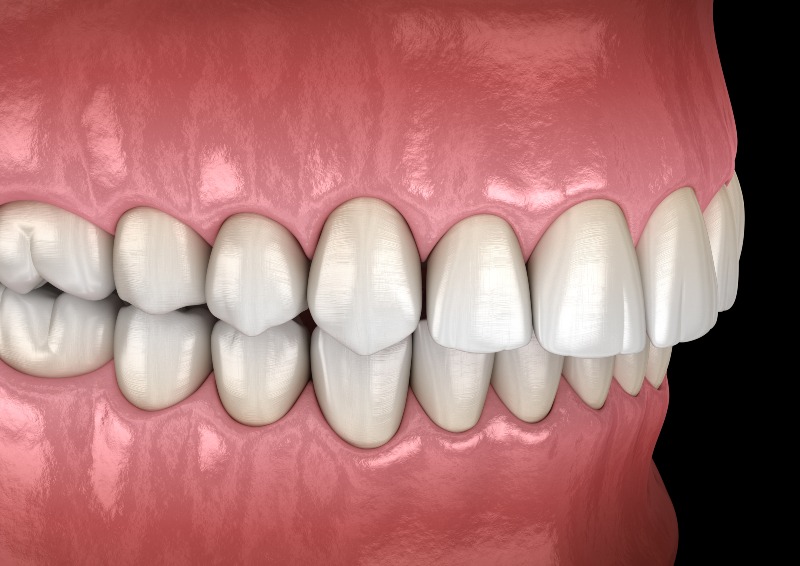
What Is a Deep Bite?
A deep bite happens when the upper front teeth overlap the lower front teeth more than they should when the mouth is closed. While a small amount of overlap is normal, excessive overlap can place extra pressure on the front teeth and jaw.
In some cases, a deep bite may not cause obvious symptoms right away. Over time, however, it can contribute to uneven tooth wear, chipped teeth, jaw discomfort, or irritation where the lower teeth contact the roof of the mouth.
A deep bite can develop due to genetics, jaw growth patterns, tooth position, or habits that affect the bite over time.
What Is an Overbite?
An overbite refers to the vertical overlap of the upper front teeth over the lower front teeth. Because of that, a deep bite is actually a type of overbite that is more pronounced than normal.
Many people have a mild overbite that does not require treatment. When the overlap becomes too large, it may create functional problems or cosmetic concerns. Signs of a more significant overbite may include:
- Excessive tooth overlap
- Tooth wear on front teeth
- Jaw tension or discomfort
- Difficulty biting evenly
- Concerns about smile appearance
The severity of the overbite helps determine whether treatment is recommended.
What Is an Underbite?
An underbite occurs when the lower teeth or jaw sit in front of the upper teeth when biting down. This creates the opposite relationship of an overbite and can affect both function and appearance.
Underbites are often related to jaw growth patterns, genetics, or developmental factors. Some cases are mild, while others are more noticeable and may require more involved care. Common concerns linked to underbites include:
- Difficulty chewing certain foods
- Speech challenges
- Jaw discomfort
- Uneven tooth wear
- Facial profile concerns
When these issues are present, professional evaluation is helpful in deciding the best path forward.
What About an Open Bite?
An open bite means the upper and lower teeth do not touch properly in one area when the mouth is closed. This often happens in the front teeth, leaving a visible gap even when the back teeth are together.
Open bites can be caused by thumb sucking, tongue thrusting, jaw growth patterns, or other habits. Depending on the severity, they can make biting into foods difficult and may affect speech.
Like other bite concerns, early assessment can make treatment more straightforward and improve long-term results.
What Causes Bite Problems?
Bite issues rarely come from one single cause. In many cases, several factors work together over time. Common causes include:
- Genetics and inherited jaw shape
- Early or delayed tooth loss
- Crowding or spacing issues
- Thumb sucking or oral habits
- Jaw development differences
- Teeth shifting over time
Because every patient is different, the cause of a bite issue often influences which treatment options are most effective.
Treatment Options for Deep Bite, Overbite & Underbite
Treatment depends on the type of bite issue, the severity of the problem, and the patient’s age. Some concerns are mainly cosmetic, while others affect comfort and function. Possible treatment options include:
- Orthodontic treatment such as braces or clear aligners
- Bite adjustments in select cases
- Restorative dental treatment for worn teeth
- Habit correction for younger patients
- Monitoring mild cases over time
- Referral for advanced care when needed
For example, a mild deep bite may improve with orthodontic treatment alone, while severe underbite treatment may require a more advanced approach involving multiple steps.
When Should You See a Dentist?
Not every bite issue needs immediate treatment, but an evaluation is a smart next step if symptoms are present or alignment concerns are growing. It may be time to book an appointment if you notice:
- Jaw pain or frequent tension
- Teeth wearing down quickly
- Trouble chewing comfortably
- Teeth that do not meet properly
- Concerns about your smile or profile
Early care can help prevent small issues from becoming larger ones later. Reach out to our dentists for underbite treatment and more.
Bite Care in Kanata & Stittsville, ON
Whether you are dealing with a deep bite, overbite, underbite, or open bite, understanding the condition is the first step toward improving your oral health. Many bite concerns can be treated successfully with the right plan and professional guidance.
Villanova Dental Studio proudly serves patients in Kanata and Stittsville, ON with modern, personalised dental care for all ages. Our team takes the time to evaluate your bite, explain your options, and recommend treatment based on your goals and needs.
If you have questions about bite alignment or want to explore treatment options, contact Villanova Dental Studio today to book your consultation.

 1261 Stittsville Main Street